Free New Bedcover
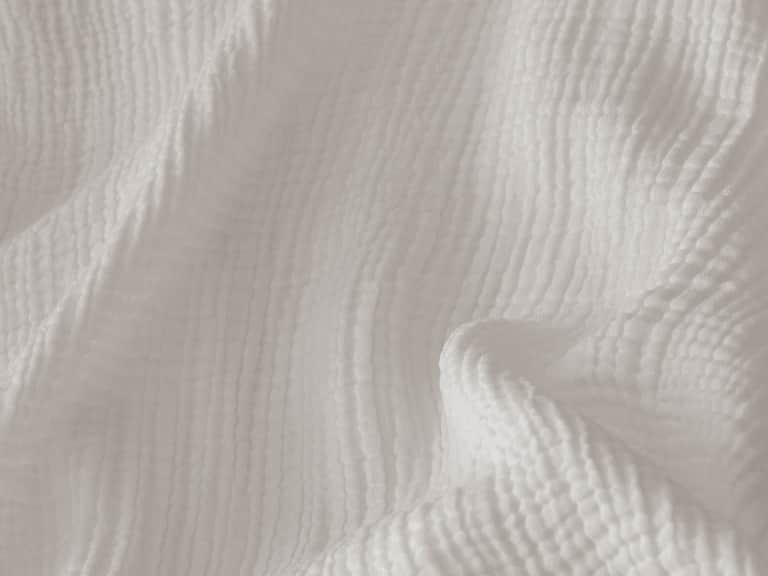
Experience a cool, breathable night’s rest with our four-layer cotton voile bedspread. Ultra-light, softly textured, and color-coordinated to match your decor for effortless, cozy comfort.
A concise, science-informed guide to selecting organic cotton sheets that balance comfort, durability, and sustainability. We explore thread count, weave, certifications, and how brand practices influence long-term value for a healthier sleep environment.
In the quiet architecture of a well-made bedroom, sheets are more than fabric; they are a daily ritual of contact between body and environment. Organic cotton sheet sets promise a connection to the earth that is as intimate as the rhythm of sleep itself. Yet the market is crowded with promises and labels, some meaningful, some marketing. To navigate with confidence, it helps to understand the vocabulary—thread count, weave, certifications, and the often-overlooked practices behind a brand. The goal is not merely to buy sheets that feel good in the moment, but to invest in materials and processes that endure, reduce exposure to chemicals, and honor the land and the people who produced them.
The topic resonates with a broader narrative of home wellness. Consumers increasingly seek bedding that aligns comfort with safety and sustainability. This article synthesizes current industry insights and practical criteria, drawing on examples from the Sleep and Beyond, Naturepedic, and Suite Sleep sheet families to illustrate how different choices—thread count, weave, and certification—translate into real-world performance.
Choosing an organic cotton sheet set hinges on several core considerations. These criteria help separate durable, comfortable options from transient fads. Below is a structured approach to evaluating sheet sets, followed by concrete guidance drawn from established products in the category.
Three brands frequently highlighted for their organic cotton sheet sets—Sleep and Beyond, Naturepedic, and Suite Sleep—offer distinct design philosophies and practical strengths. While each line shares a commitment to organic materials, they diverge in weave, thread count, and finishing details. Here, we examine what each family emphasizes and how those choices map to everyday use.
The Sleep and Beyond sateen line prioritizes a silky, smooth hand with a mid- to high-thread-count composition. Sateen’s soft drape tends to feel warmer than percale, which can be an advantage in cooler climates or for sleepers who prefer a more enveloping surface. The line emphasizes GOTS-certified organic cotton, packaging that highlights sustainable practices, and durability features such as reinforced stitching and deep pockets on many models. The result is a sheet set that balances everyday luxury with practical longevity, suitable for those who value a luxurious touch without sacrificing environmental responsibility.
Naturepedic’s approach centers on crisp percale with a classic hotel-like bite—cool, breathable, and refreshingly matte. Percale weaves produce a tight, plain weave that remains breathable even at higher thread counts, making it a strong option for hot sleepers or climates where heat management is a priority. The Naturepedic line is notable for its organic cotton foundation and a reputation for health-conscious manufacturing. For sleepers seeking a cool, crisp sleep surface, percale offers a reliable and seasonally adaptable experience that pairs well with lighter bedding layers in summer and under a warmer duvet in winter.
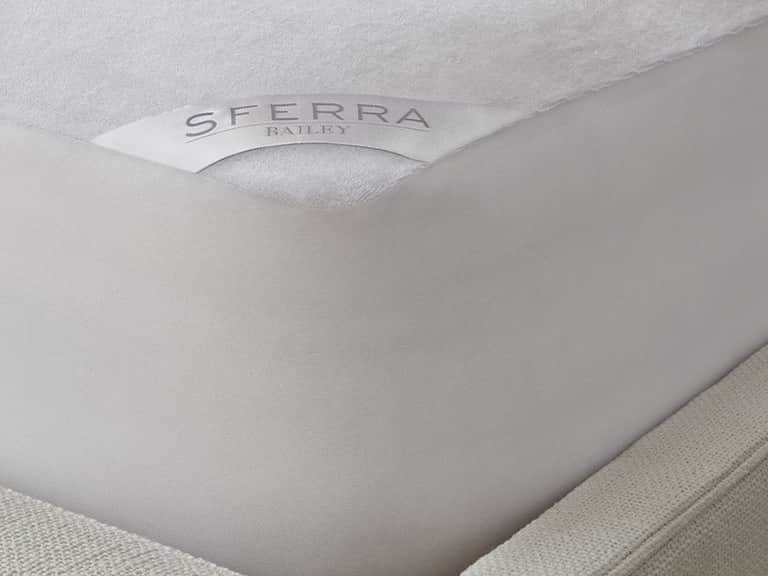
Although mattress protectors are not sheets per se, Suite Sleep’s approach to knit organic cotton protectors demonstrates how fabric hand and finish influence overall sleep comfort. The knit, stretchable nature of some protectors helps preserve the mattress’s feel while providing a soft underlayer. When selecting organic linens, it is worth considering how the entire sleep surface—from sheets to protectors—interacts with the mattress, the climate, and the sleeper's activities (night sweats, allergies, and movement). The knit construction can contribute to a more responsive bed surface, especially when combined with breathable sheet fabrics.
Thread count, while an important indicator, does not tell the whole story. A 300-thread-count percale can feel cooler and crisper than a 400-thread-count sateen if the weave is tight, the fibers are long-staple cotton, and finishing processes minimize pilling and friction. Similarly, a high thread count in a sateen weave can yield a heavy, luxurious drape but may trap heat if the fabric is not breathable. Therefore, the optimal decision rests on a holistic view of weave, fiber quality, and finishing.
GOTS certification is a helpful benchmark. It assures that organic fibers are produced with environmentally responsible processing and social criteria. But a certification alone does not guarantee a superior experience if the fabric, weave, or finish does not align with your preferences. Look for explicit product descriptions that explain the weave (percale, sateen, or blends), the thread-count range, whether the fabric is pre-washed or pre-shrunk (which affects fit after washing), and how the brand communicates its environmental and social commitments beyond certification logos.
To translate these criteria into your purchase, consider your climate, sleep temperature, and laundry routine. If you sleep warm or live in a hot climate, prioritize percale or a breathable sateen with a lighter weight rather than a very dense sateen. If you tend to sleep cool and prefer a softer touch, a mid-weight sateen with a gentle drape may feel more luxurious. For care, select sheets that fit your washing machine size and offer reinforced corners or deeper pockets for the mattress height you own.
In examining reputable lines, note how brands handle the fit and finish of fitted sheets. A reliable set will include a fitted sheet with deep pockets and strong elastics that keep the sheet from creeping off the corners. The construction of the duvet cover overlaps with sheet performance in the sense that a balanced bed system minimizes slip and maintains a cohesive look without over-tightening fabric or hindering airflow.
As you approach the purchase, imagine the sheet set as the first layer of a bed that supports daily life: restful sleep, modest luxury, and a conscientious approach to textiles. The right organic cotton sheet set is not an indulgence; it is a long-term step toward a healthier sleep environment, a more sustainable wardrobe of linens, and a reflection of values that extend beyond the bedroom.
Within the broader ecosystem of organic bedding, a select sample demonstrates how design intent translates into user experience. For instance, the Sleep and Beyond Organic Cotton Sateen Sheet Set embodies the idea of premium organic comfort. It is crafted from GOTS-certified organic cotton, and a 300-thread-count sateen weave yields a smooth, soft hand with a gentle sheen. The packaging emphasizes sustainability, reinforcing a holistic approach to product lifecycle management. This particular set is well suited for readers who value a refined, hotel-like feel with reliable durability for daily use.
Another notable example is the Sleep and Beyond 100% Organic Cotton Percale Sheet Set, which favors a crisp, breathable percale finish. The percale weave provides a cooler sensation with a matte surface, ideal for sleepers who prioritize air-flow and a lighter touch against the skin. The set includes fully machine-washable construction and a packaging approach that aligns with recycling or reuse initiatives, further supporting an eco-conscious consumer.
For those seeking a versatile option that pairs with a range of bed styles, the Bovi Nazaré Percale Sheet Set offers a crisp 200-thread-count percale with a distinctive scalloped edge detail. The percale construction is a nod to classic hospitality aesthetics, coupled with modern, durable stitching. This line illustrates how small design details—like a scalloped edge—can elevate everyday linens without compromising practicality or comfort.
In the end, your choice of organic cotton sheet set rests on a balance between tactile preference, climate realities, durability expectations, and ethical considerations. Certification matters as a baseline assurance, but the ultimate value emerges from how weave, weight, care, and brand practices align with your sleep needs and environmental commitments. By focusing on combination criteria—certification, weave, thread count within a meaningful range, fabric weight, and thoughtful construction—you can select sheets that honor both the body and the planet.
As you finalize your purchase, remember that the bed is a sanctuary—a site for rest, renewal, and quiet human endurance. Organic cotton sheet sets, when thoughtfully chosen, contribute to that sanctuary in tangible ways: they reduce exposure to potentially harmful chemicals, support sustainable farming and processing methods, and deliver a sensory experience attuned to the rhythms of daily life. The goal is not merely comfort, but a measured, enduring approach to home wellness that respects both the people who grow the cotton and the communities that transform it into the sheets you sleep on night after night.
Published: September 30, 2026. This guide draws on industry standards and product lines from Sleep and Beyond, Naturepedic, and Suite Sleep to illustrate practical buying considerations for organic cotton sheet sets.