Bedroom furniture encompasses a range of essentials designed to support restful sleep and organized living spaces. This category highlights the interplay between function, form, and materials, emphasizing how bed frames, dressers, nightstands, and storage solutions influence room layout and comfort. Key considerations include durability, hypoallergenic finishes, and ergonomic design for long-term use.
When evaluating beds, features such as frame construction, mattress support, and compatibility with different headboard styles matter. Materials like solid wood, engineered wood, and metal offer varying degrees of stability and weight, while footboard design can influence accessibility and visual balance within the bedroom. Properly chosen, a bed supports correct alignment and sleep quality.
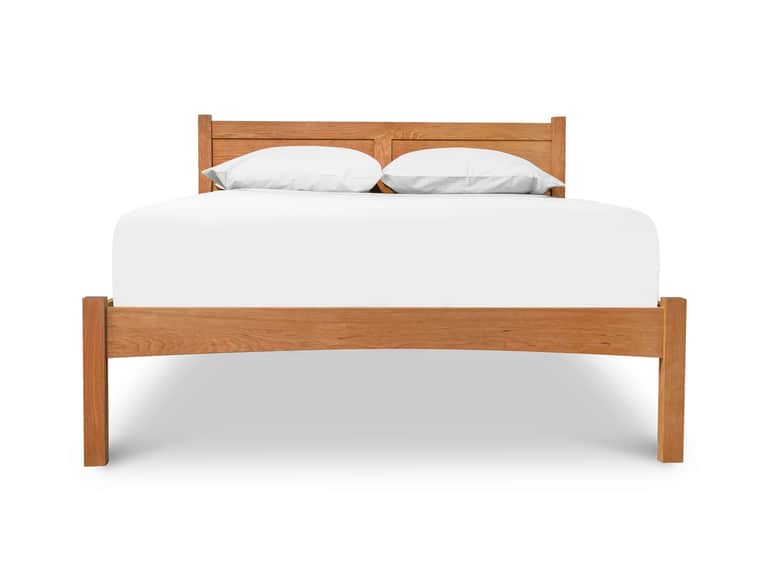
The Essex Low Footboard Bed, within this category, demonstrates how low-profile footboard design can create an open, airy look while maintaining robust support. Its frame details, joinery, and finish choices affect both aesthetics and durability. Understanding its measurements and compatibility with standard bedding helps ensure a cohesive setup.
Beyond beds, bedroom furniture includes storage pieces and textiles such as sheets, pillows, and bedding configurations. Materials like latex in pillows and breathable fabrics in sheets contribute to temperature regulation and comfort. A well-chosen arrangement supports daily routines, reduces clutter, and fosters a calming sleep environment.
Educational considerations for this category include optimizing room flow, selecting pieces with easy maintenance, and prioritizing safety features for durable use. By examining product characteristics, users can assess suitability for space constraints, ergonomic needs, and long-term adaptability, aligning furniture choices with healthful sleep practices and personal preferences.
 Furniture